
Most people who drink tea have never heard of gongfu tea. And most people who have heard of it assume it is complicated, ceremonial, or reserved for experts.
Neither is quite right.
Gongfu tea is simply a way of brewing tea that pays close attention to every variable — the amount of leaf, the temperature of the water, the size of the vessel, the length of the steep. The word gongfu (功夫) means skill developed through practice. Applied to tea, it means brewing with care and intention rather than convenience.
This guide explains the difference between gongfu tea and everyday tea, and why the distinction matters less than most people think.
The Main Differences
Everyday tea — the kind most people in the West are familiar with — is brewed in a large pot or mug, steeped for several minutes, and drunk in one or two cups. The goal is a consistent, drinkable result with minimal effort.
Gongfu tea uses a small vessel (usually a teapot or gaiwan holding 80–150ml), a high ratio of leaf to water, and very short steeps — often 10 to 30 seconds for the first few infusions. The same leaves are brewed multiple times, sometimes ten or more, with each infusion revealing a slightly different character.
The practical differences come down to four things:
- Vessel size — small in gongfu, large in everyday brewing
- Leaf ratio — much higher in gongfu (often 1:15 or more concentrated)
- Steep time — very short in gongfu, longer in everyday brewing
- Number of infusions — many in gongfu, usually one in everyday brewing
Why Brew Gongfu Style?
The short answer is that gongfu brewing extracts more from the leaf. A high-quality oolong or pu-erh brewed gongfu style will produce ten or more distinct cups, each one slightly different from the last. The first infusion might be bright and floral. The third might be deeper and more complex. The seventh might be soft and sweet in a way the earlier cups were not.
Everyday brewing compresses all of that into a single steep. You get one version of the tea — usually a middle version that captures some of the early brightness and some of the later depth, but not the full range.
For teas that are worth paying attention to — single-origin oolongs, aged pu-erh, high-mountain greens — gongfu brewing is simply a better way to understand what you are drinking.
Do You Need Special Equipment?
You need less than most people think.
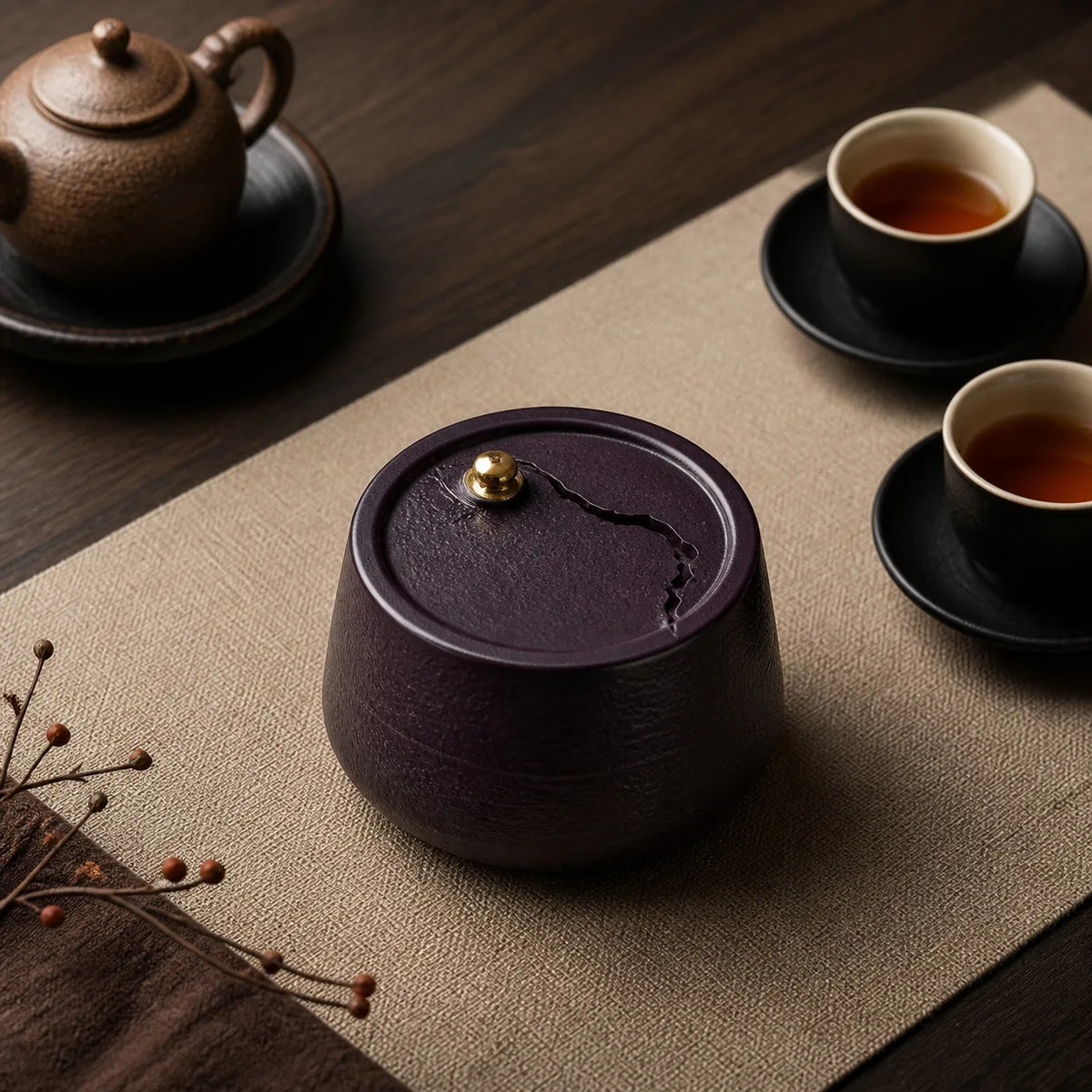
The essentials are a small teapot or gaiwan, a fairness cup (also called a pitcher or cha hai) to collect the brew before pouring, and a set of small cups. A tea tray helps keep the table organized and absorbs spills, but it is not strictly necessary to start.
What matters more than the equipment is the attention you bring to it. Gongfu tea is a practice, not a performance. The goal is not to have the right objects — it is to pay close enough attention to the tea that you notice what changes from one infusion to the next.
Getting Started
If you want to try gongfu brewing, start with a tea you already enjoy. Oolong and pu-erh respond particularly well to the method, but any loose-leaf tea can be brewed gongfu style.
Use about 5–7 grams of leaf for every 100ml of vessel capacity. Heat your water to the appropriate temperature for the tea type. Pour, steep for 15–20 seconds, and decant fully into a fairness cup before pouring into cups. Repeat, adding a few seconds to each subsequent steep.
The first session will feel unfamiliar. The second will feel less so. By the third or fourth, the rhythm will begin to feel natural — and you will start to notice things about the tea that you never noticed before.
Explore the tea trays, warmers, and small tools in MR.TEA Tea Ritual Tools to set up your first gongfu tea table.